Panel 4 – Bright Spots: Payment Innovation That is Working Beyond Washington

July 22, 2026
1:35 pm-

2:25 pm

Some of the most promising ideas in payment aren’t waiting on federal action; they’re already delivering results across states, employer markets, and delivery systems. Throughout the Alliance’s listening process, experts kept coming back to the same point: concrete examples of what’s working sharpen the policy conversation. Panelists will spotlight what these approaches have in common, where they hit their limits, and how policymakers can create the conditions to replicate them at scale.

By the end of this session, participants will be able to:

  • Identify concrete, functioning payment models from states, employers, and delivery systems that are producing measurable results.
  • Understand some of the design choices that made specific innovations work.
  • Recognize the policy conditions — at the federal, state, and market level — that have enabled or impeded the replication of successful approaches.

Speakers:

  • Moderator: Melinda Buntin, Ph.D., Bloomberg Distinguished Professor, Johns Hopkins Bloomberg School of Public Health
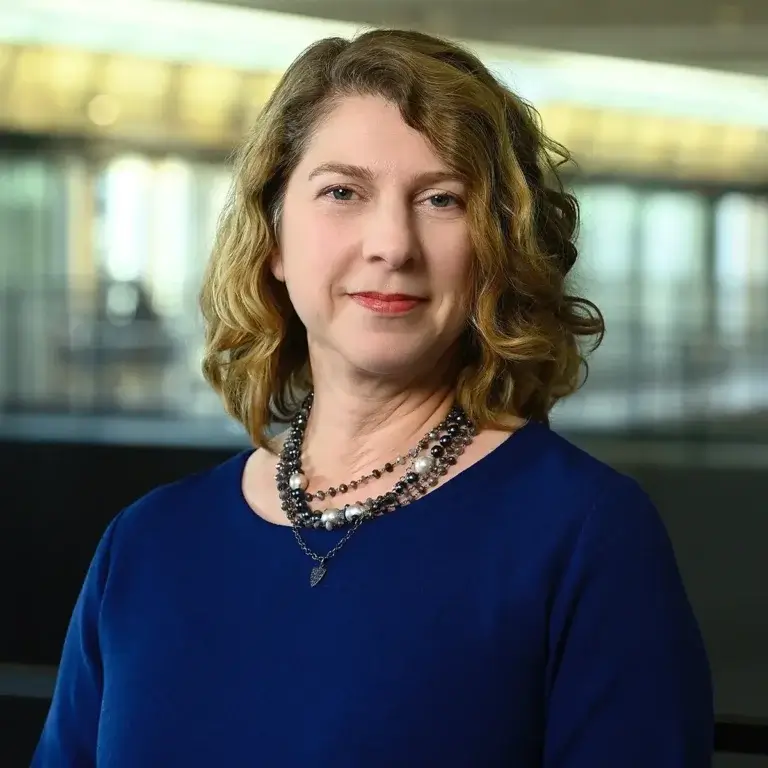
  • Meena Seshamani, M.D., Ph.D., Maryland Secretary of Health, Maryland Department of Health
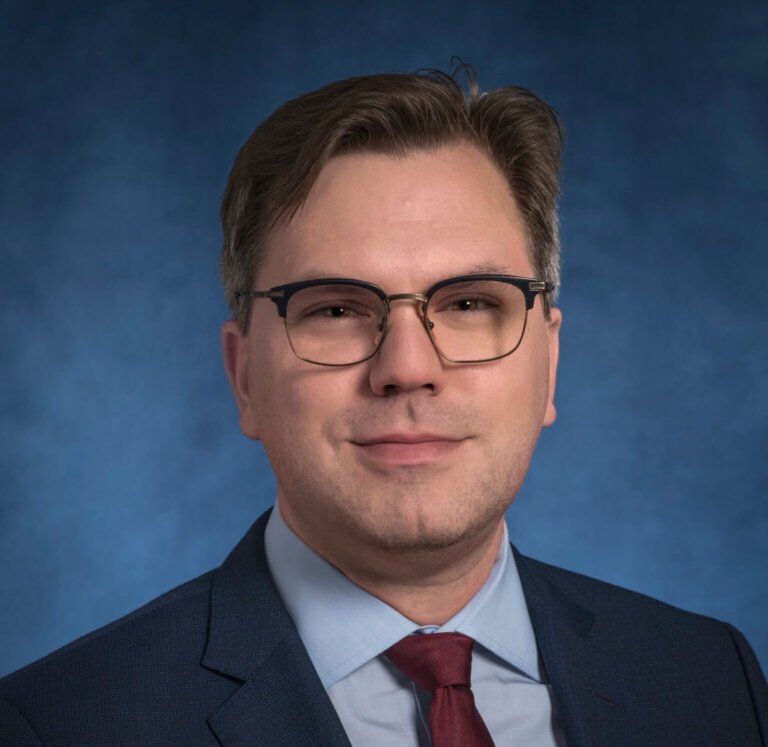
  • Darren Fogarty, MEM, Associate Director of Purchaser Value and Policy, Purchaser Business Group on Health (PBGH)
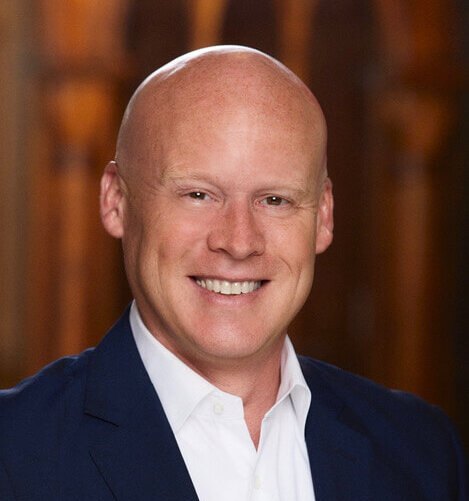
  • Blaire Bryant, MPH, Vice President, Policy and Advocacy, National Alliance for Caregiving

July 21, 2026 Update: Due to inclement weather, Maureen Hensley Quinn, MPA, Senior Program Director, National Academy for State Health Policy (NASHP) is unable to moderate this discussion. Melinda Buntin, Ph.D. will now serve as moderator.

Speakers

Melinda B. Buntin, Ph.D.

Bloomberg Distinguished Professor, Johns Hopkins Bloomberg School of Public Health and Johns Hopkins Carey Business School; Director, Center for Health Systems and Policy Modeling
Melinda J.B. Buntin, PhD joined the faculties of Health Policy and Management at the Bloomberg School of Public Health and of the Carey Business School in July 2023. As one of the top academic health policy leaders in the nation, Buntin will be part of the University’s Knowledge to Action and the Business of Health Bloomberg Distinguished Professor Cluster. Professor Buntin joined Hopkins from Vanderbilt University, where she was the University Distinguished Professor in the Departments of Health Policy and of Medicine, Health, & Society and held the Mike Curb Chair for Health Policy as Chair of the Department of Health Policy, Vanderbilt University School of Medicine. Buntin trained in health policy with a concentration in economics at Harvard University where she received her PhD in 2000. She started her professional career at RAND Health and transitioned into several health policy leadership roles during her 12 years in Washington, D.C.. She was the director of the Office of Economic Analysis, Evaluation and Modeling at the Office of the National Coordinator for Health Information Technology and was deputy director of Health, Retirement and Long-Term Analysis at the Congressional Budget Office. In 2013, she became the founding chair of the Department of Health Policy at Vanderbilt University, a multidisciplinary department within a medical school. During her tenure she grew the faculty from 9 to 22, and started a Health Policy track in the MPH program, as well as a PhD program in Health Policy. Under her leadership and vision, it has become one of the leading departments of its kind. Buntin is primarily based at the Johns Hopkins University Bloomberg Center at 555 Pennsylvania Ave. NW, where she aims to inform healthcare policy through a newly established health systems and policy modeling center. Buntin’s body of work has built bridges between healthcare policy and public health by advancing our understanding of healthcare delivery and costs, with an emphasis on improving the value created by the healthcare system. The center will address emerging issues in health policy with rigorous empirical work—predictive models and causal inference methods from econometric study designs—with the goal of providing insights to the healthcare sector, businesses, and policymakers on how to improve healthcare delivery and outcomes.

Blaire Bryant, MPH

Vice President, Policy and Advocacy, National Alliance for Caregiving
Blaire is a seasoned health policy strategist with more than a decade of experience at the intersection of federal policy and local government implementation. She brings deep expertise in Medicaid, behavioral health, long-term care, and public health, with a strong ability to connect healthcare issues to the broader policy and systems landscape. At NAC, Blaire leads the policy and advocacy team to recognize, integrate, and support family caregivers through a robust federal policy and advocacy agenda that advances caregiver-friendly legislation, strengthens cross-sector partnerships, and elevates caregiving as a national priority.

Meena Seshamani, M.D., Ph.D.

Maryland Secretary of Health, Maryland Department of Health
Meena Seshamani, MD, PhD serves as the Secretary of Health for Maryland in the Moore-Miller Administration, where she stewards a $20 billion health system that encompasses public health, Medicaid, disability, behavioral health, and 11 state-run hospitals. She leads the state's mission to improve the health and well-being of all Marylanders through a focus on accessibility, affordability, and equity. Under her leadership, Maryland has emerged as a national laboratory for healthcare innovation. Dr. Seshamani successfully negotiated a first-of-its-kind, multi-billion dollar healthcare payment model with federal partners and secured $168 million in inaugural funding to transform rural health delivery. Her tenure is also marked by a proactive approach to public health, exemplified by ensuring broad vaccine access in the state through the creation of a landmark program providing free vaccines to uninsured and underinsured residents—codifying health security as a statewide priority. Prior to her cabinet appointment, Dr. Seshamani served as Deputy Administrator and Director of the Center for Medicare at CMS. There, she executed the most significant pharmaceutical reform in decades: the Medicare Drug Price Negotiation program, achieving $6 billion in first-year savings. Her work at CMS fundamentally shifted the Medicare model to value-based care by introducing payments for community health services, caregiver training, and navigating patient care, while simultaneously tightening accountability and oversight. A board-certified head and neck surgeon and an Oxford-trained health economist, Dr. Seshamani’s perspective is grounded in how health care policy and operations impact the real lives of patients. She previously served as Vice President of Clinical Care Transformation at MedStar Health, maintaining a clinical practice while leading large-scale system changes. A widely published author including in the New England Journal of Medicine and JAMA, her insights are frequently sought by The New York Times, The Wall Street Journal, and major news networks. Dr. Seshamani holds her MD from Johns Hopkins University and her PhD from the University of Oxford, where she was a Marshall Scholar.

Darren Fogarty, MEM

Associate Director of Purchaser Value and Policy, Purchaser Business Group on Health (PBGH)
Darren Fogarty leads PBGH's health policy work, directly supporting PBGH's mission, strategies, and its purchaser members through education, advocacy, and communications with federal and state policymakers. Prior to joining PBGH, Darren worked for ethical and transparent health care benefits consulting firms in business development, financial analytics, and strategic advising roles. He also worked for eight years at a nonprofit in Washington, D.C. called the Institute for the Fiduciary Standard, where he now serves on the Board of Directors. Darren founded and led the Committee for Fee-Only Benefits Advisors, a not-for-profit group of health care industry leaders who advocate for fiduciary principles and transparent compensation between benefits consultants and their employer clients. Darren holds a Master of Environmental Management (MEM) with a concentration in economics and policy from Duke University and a Bachelor of Arts in Economics from the University of North Carolina at Greensboro.